Turning Thirty-Three


My birthday was two days ago. My brother phoned that morning to wish me happy birthday and then asked me how old I feel.
My response: “ageless” 
This was because of something one inspiring woman had said to me in the past week. 

Last week I attended a white belt training intensive in The Nia Technique. This has been a long awaited opportunity and was the fulfillment of a dream to teach Nia. Dancing has always been an important source of happiness for me. A friend suggested that I should take a Nia class a number of years ago. I instantly realized that this was something I wanted to share with all the people in my life.
Nia has been an amazing mindfulness tool for me as well as cardio and brain exercize. It also gives me a boost of fun, imagination and inspiration. 
The training intensive was amazing. I met wonderful women there; beautiful people in every way. I was the youngest to attend. Our ages ranged from women in their thirties to women in their sixties. To be the younger one was a lucky position to be in, since I was surrounded by beauty, wisdom and inspiration. It was strange to feel young at (almost) thirty-three. I spent the week in awe of these women. They respected themselves and were treating their bodies with compassion. They moved with joy and ease. Even though some had been through physically challenging times, and some still are, they were respectful of their bodies and celebrating them.
Absolutely amazing in a world where women are taught to be at war with their bodies. 

I left feeling so grateful for my body. 
How amazing to have this human body! It can dance, play, express, grow, change, heal and breathe.
Growing older is a priviledge. It should be something we are grateful for, something to celebrate.  


Expectations: Letting Go of Outcomes.

Expectations: Letting Go of Outcomes.

|This will be the first of a few posts on expectations. So I will start with a general discussion.|

Mindfulness of Expectations.

Practicing Mindfulness and Minimalism have made me realise how many things I need to let go of.So many are in the mind. Every time I hit a roadblock it is because of an idea I am clinging to. Anxiety is my biggest mental challenge. When I am anxious I try to watch my mind and body without judgement or making up a story about the feeling. And this helps immensely. Until I anticipate the next thing… Then it reappears. Then it fades and I anticipate.
I started thinking I should let go of anticipation but I realised that the root here was not the anticipation (although ‘anticipation’ definitely means I am not being mindful of that moment in the moment and so it is something to let go of.) I realised that the problem was my expectation of the outcome of whatever was happening whether good or bad.
So when I notice anxiety or excitement now I try to watch what the mind is expecting and let go of the expectation. Expectations will still arise but we can notice them and let them go. Specifically letting go of the outcome.
When we have an expectation it means we have an idea of an outcome and think or wish it to be a certain way. We try to control things in our future or as they occur.
In this way we are identifying ourselves with results. We are imposing our hopes on outcomes and trying to predict the future as though it were fixed.
This sets us up for frustration, demotivation, delusion, disappointment, suffering, heartbreak, feeling sorry for ourselves, underestimation, overestimation, narcissism, perfectionism, anxiety… The list gets longer the more one thinks about it.

Anticipation

Whenever the feeling of anxiety or excitement arises in us it is in anticipation of a certain expectation we hold.
We can become fixated on outcomes. In small ways – like how my next sip of tea will taste- and in big ways – like expecting someone to be your perfect partner and to make you whole and marry you before the age of 30.
What breaks us is our rigid mindset. We get so invested in these outcomes and when things change – even slightly – we can’t cope.
Whether we are expecting good things or bad things, we are expecting something from most situations.
Good expectations provide excitement and bad expectations give us anxiety. It is the anticipation of these expected results that are the feeling of excitement or anxiety.
We expect things to turn out a certain way or people to act or react a certain way.
Many of our decisions are based on our expectations of how other people will receive it. And many of our decisions are based on our expectations of other people’s expectations.
Excitement is when you are anticipating positive results.
When your positive expectations are realised, you feel good temporarily. If they are not you feel disappointed or unsatisfied. We can often have such high expectations that we will never be satisfied. This leads to feelings of frustration or even unhappiness.
Anxiety is a state where you are anticipating negative results.
When negative expectations are realized, you feel justified. If not, you feel relieved temporarily. Often you don’t even see that things are better than expected or you start expecting the next negative result.
When we are caught in the anticipation of expectations we miss out on reality on what is truly happening. We are not mindful of the moment.
All of this does not mean that we do not have goals, make plans or set intentions.

Confusing goals with Outcomes

A painting I was working on was frustrating me so much because I had invested in an expectation of what it should be. This perfectionism and obsession with the outcome paralysed me for months. And in the end: I was disappointed with it. As I always have been. I was dissapointed in myself. Why did I always feel this way about my work?
I became so fascinated by this question. After thinking about it for weeks it dawned on me: I always confuse the outcome with the goal. I associate myself and my worth with the result. Every single time. And the expectation of this was paralizing me and keeping me from my goal.
It seems like we confuse goals with results, outcomes and expectations.
A goal should not be a fixture. It should be a direction to move towards. If we can let go of outcomes and our expectations: we free ourselves from being disappointed or disheartened or even overly confident or righteous. The goal is still there no matter what the outcome. The intention is still set in the direction of our goal and the plan can change. We can get up and try again.
When you let go of the outcome you are free to work toward your goal.
It means that you can respond instead of react in changing situations. The world is in flux and we need to be flexible. If we let go of expectations we are flexible and open.
You can be calm.
You can be happy.
birds

Painting Flowers

Painting Flowers

Cycles and Memories

Complicate
Being the artist I always dreamed of being has been a big challenge. Business sense does not come naturally to me.  I have spent most of my life feeling the pressure of being a failure. Self inflicted of course! Someone who just can’t live up to this image that everyone (mostly young me) had, or has, of who I was and who I would become.
I have found the past decade to be the most difficult. How can I be an artist if I can’t even show anyone my work? After spending my whole life preparing for this ‘role’, I just couldn’t do it.
And how could I be me if it is so painful to work, because of my relentless criticism of myself?
And yet, I just can’t stop doing it. My mind is obsessed by it. I see everything around me as a potential work of art. I breathe painting and sculpting, yet it has caused me so much pain.  It was too heavy, too emotional.
Simplify
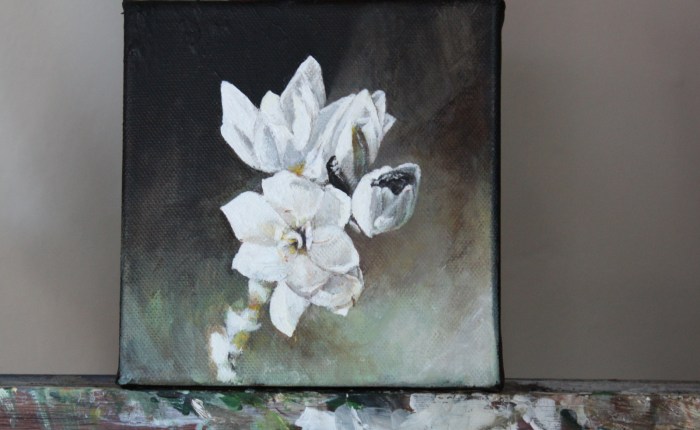
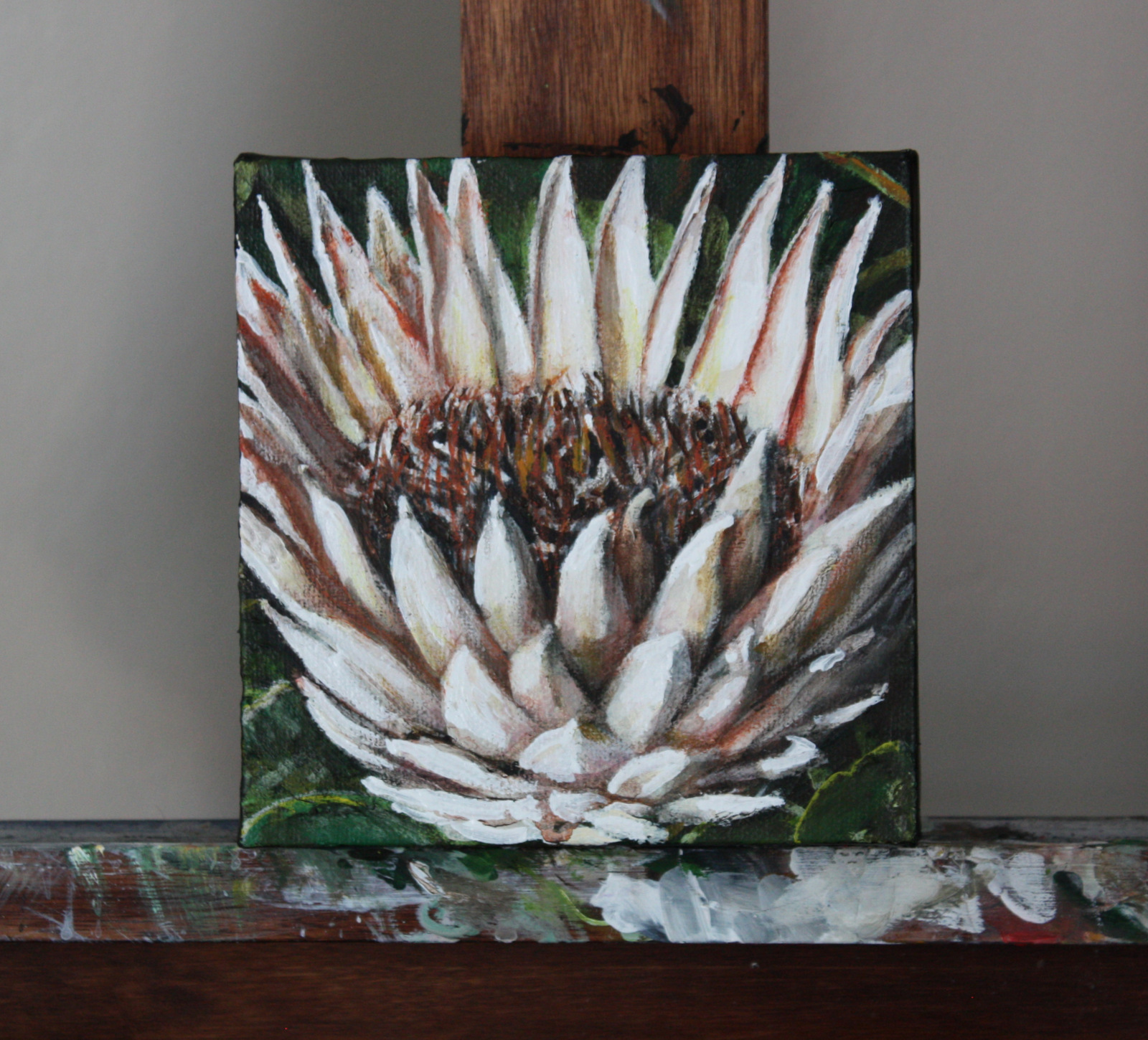
About two years ago I made the conscious decision to do it as a hobby and not hang my whole identity on it. I started producing in a meditative, relaxed way. I tried subject matters that were not too intense but still meaningful to me. I started painting our local indigenous flowers. This has brought me the most happiness. But I couldn’t help but wonder why something so basic could calm me so. Then, as I was working on my newest paintings, I realised:
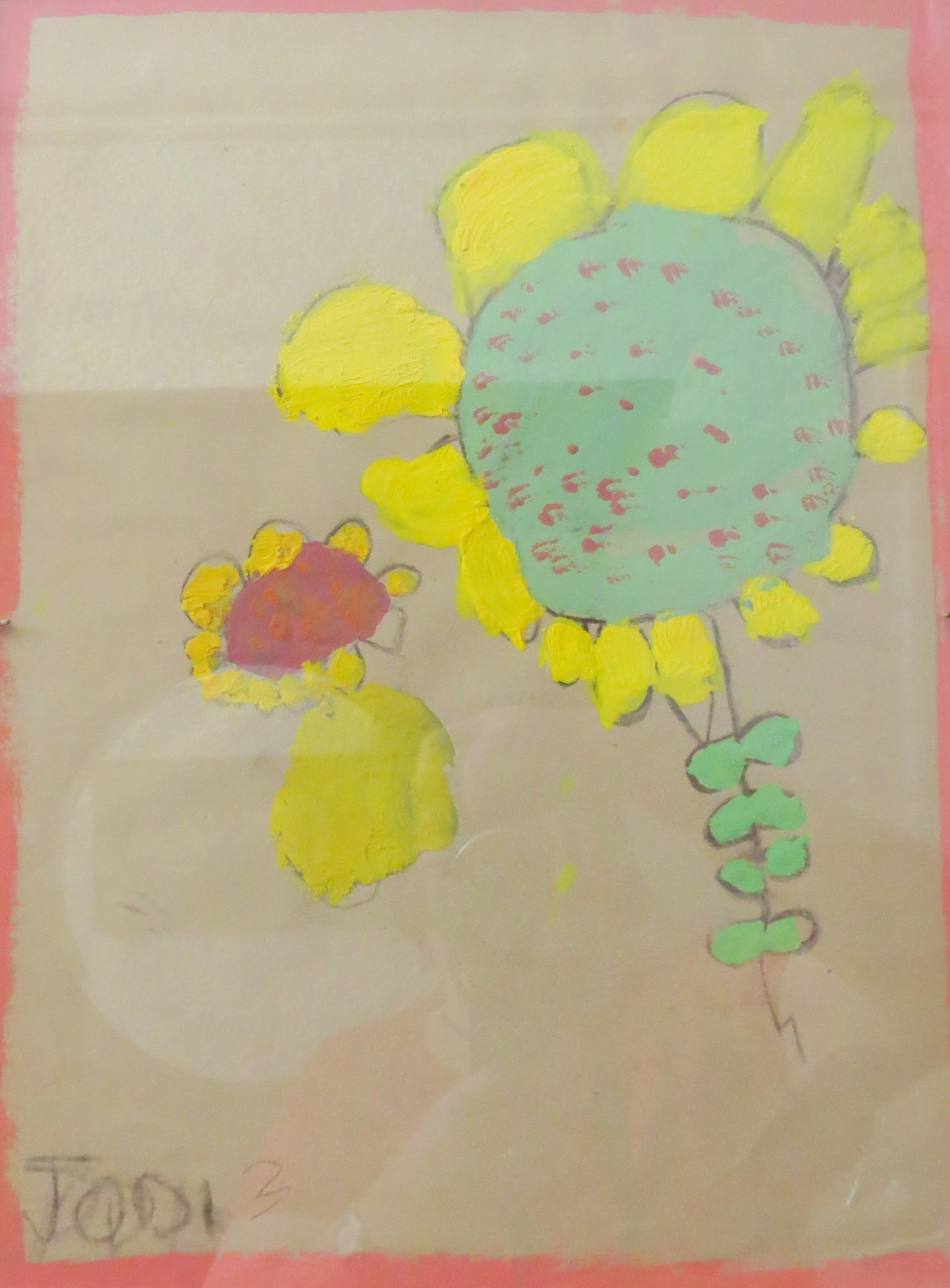
My very first memory is of painting my first still life at art school when I was 3 years old. I have vivid pictures of my teacher taking me to my seat and where I sat in the room. Mostly, I remember the bright yellow sunflowers. They were so beautiful. The memory is so much more than the result. The memory is so detailed. And I think it is because of the space my mind was occupying. My mind was focussed on the present. I was there, observing, understanding shape and trying to show this by painting it. The act of observing and then portraying what I saw became a lifelong obsession.
my first clear memory
And here I am. Still painting flowers. Still painting what i see: quite literally. Our brains observe and process and then somehow reflect what we experience, no matter how basic. And by using painting is my method of communicating it. This is what I have always wanted to do. This is who I am. For now.
Protea
Protea

Pink protea

Grayton flowers
Grayton flowers

Some more of my work: State of the Art Gallery and my website

Polar Pixie Brooch

Polar Pixie Brooch

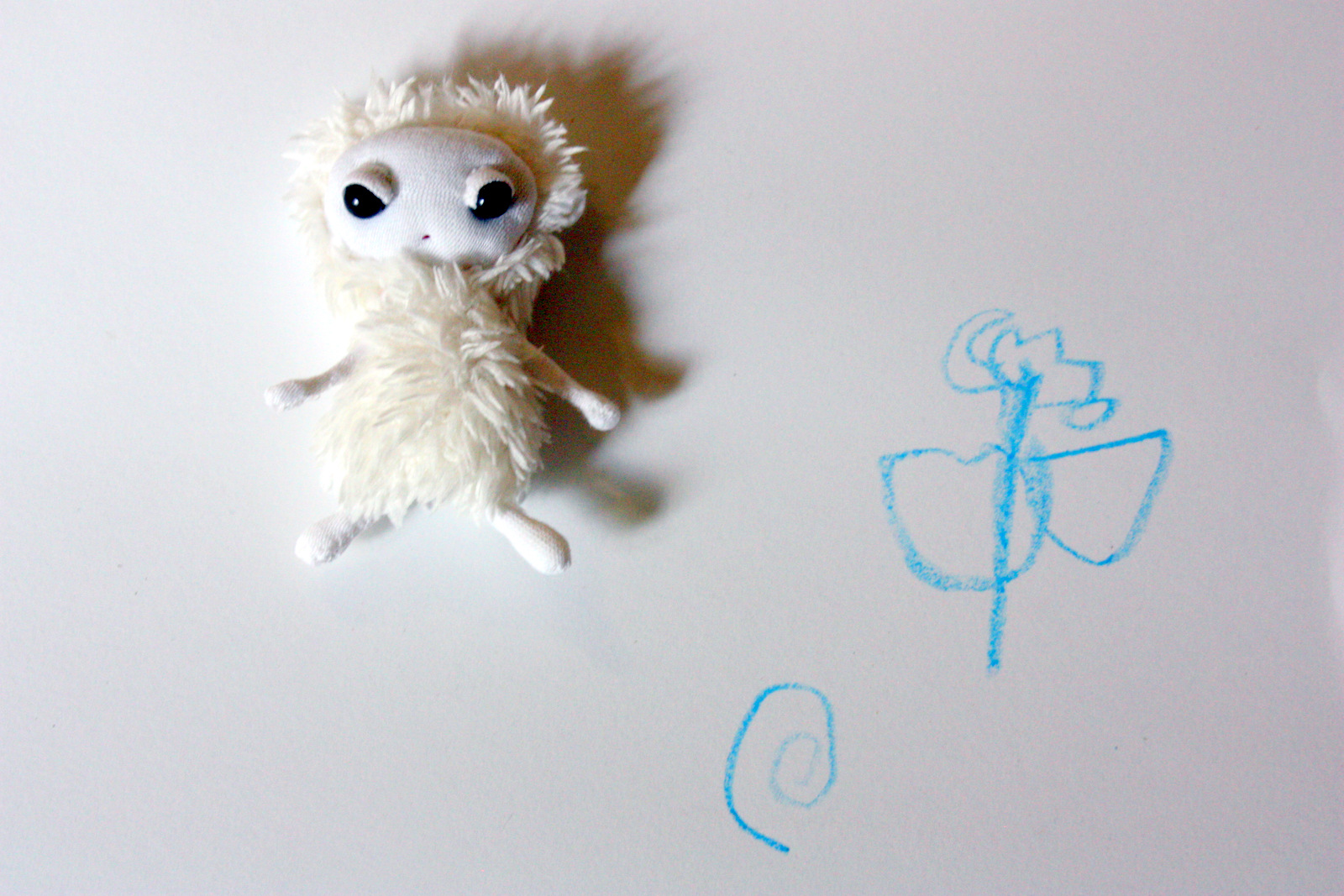
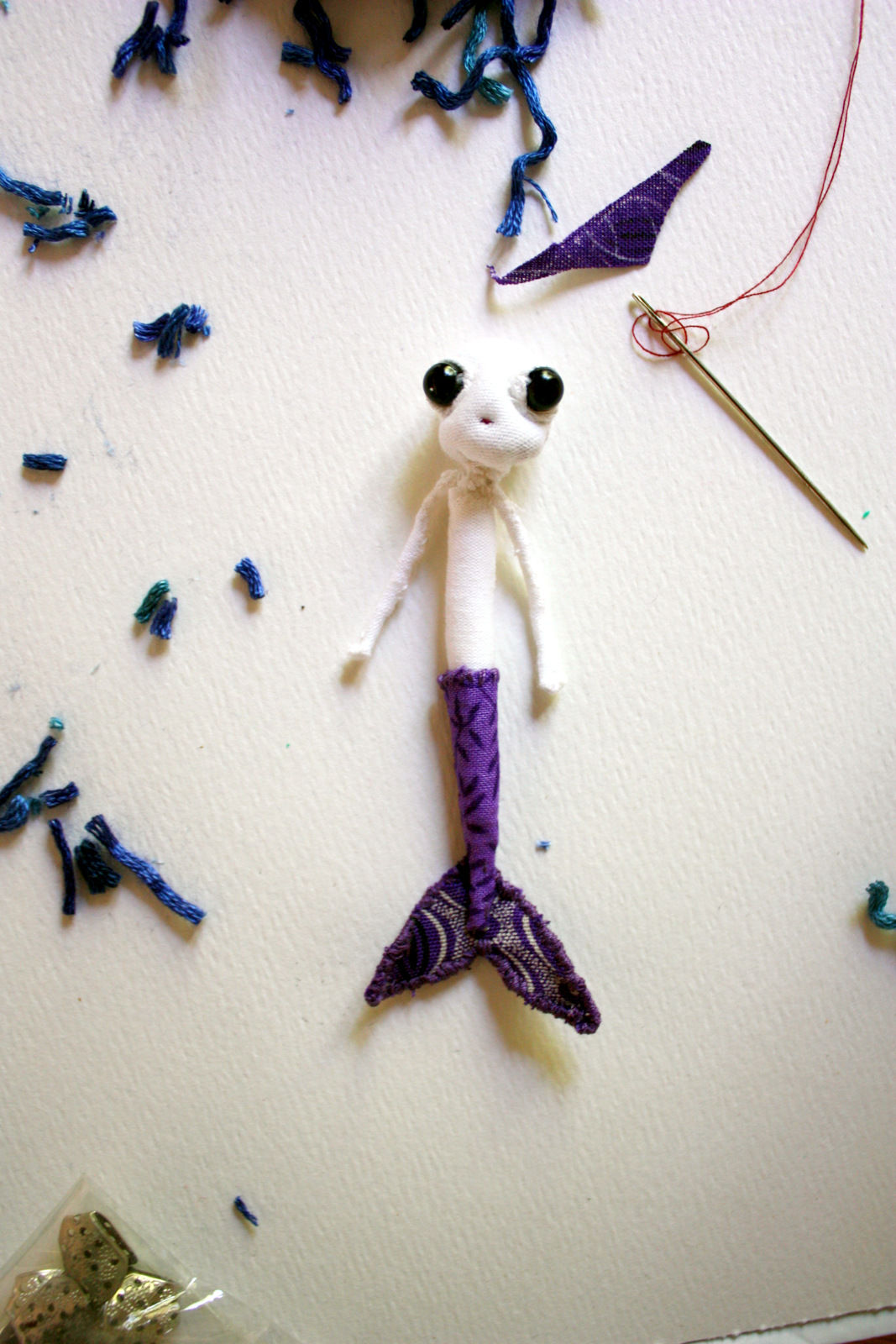
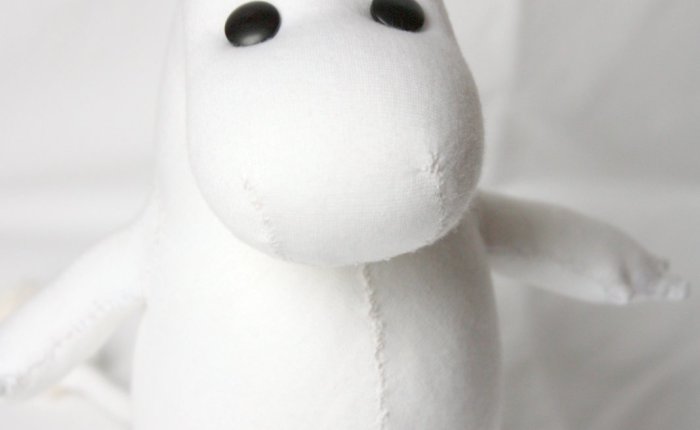
I just couldn’t resist and made this little guy today. This pixie is made from a tiny bit of an old ‘polarbear’ babygrow. So a bit of repurposing. And it is only 6cm tall. 🙂

Cute little Polar Pixie with my daughter's flower drawing.
Cute little Polar Pixie with my daughter’s flower drawing.
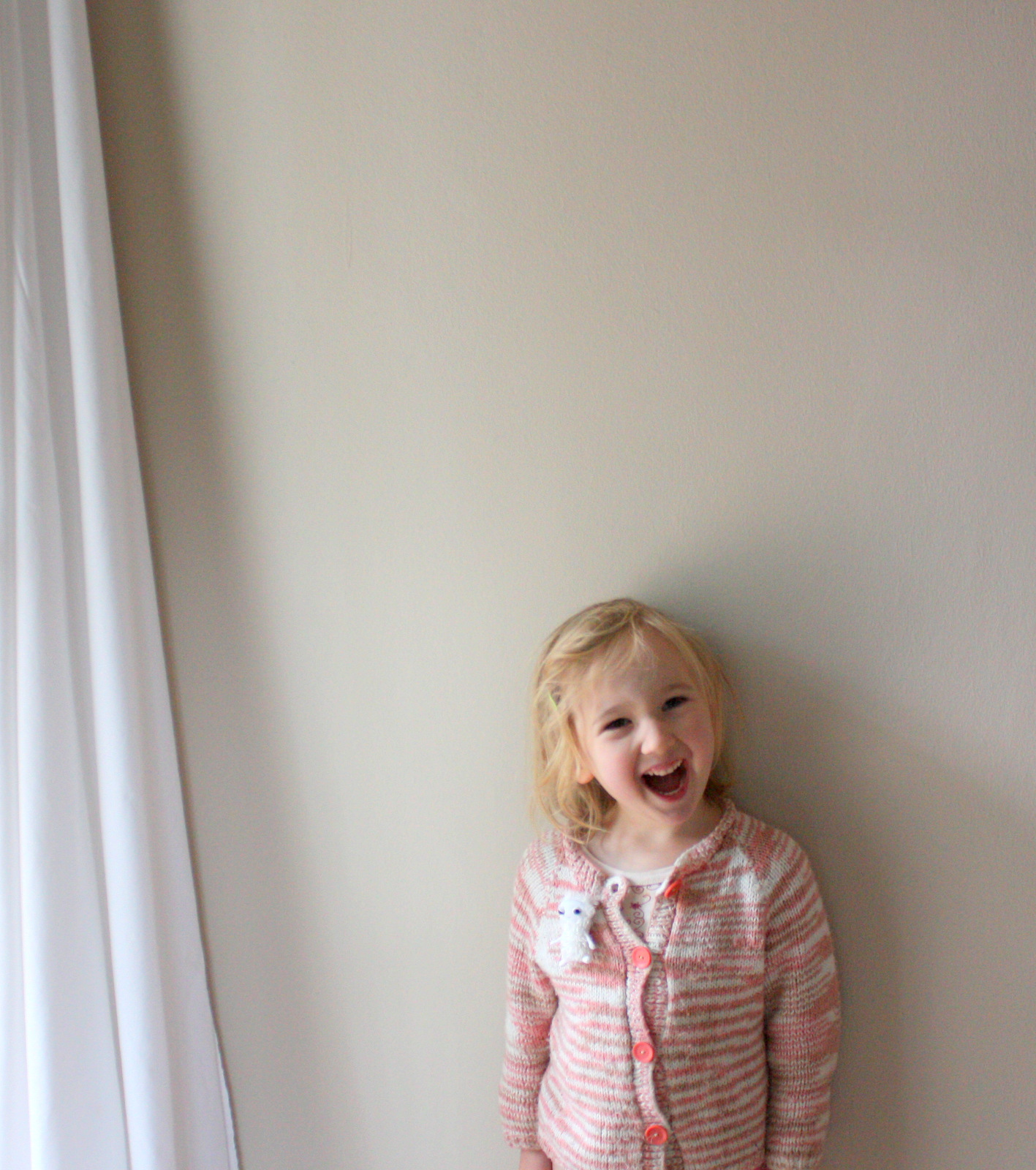
"He's so fluffy!"
“He’s so fluffy!”

Also featured in my Etsy store.

Minimalism vs. Art and Crafting

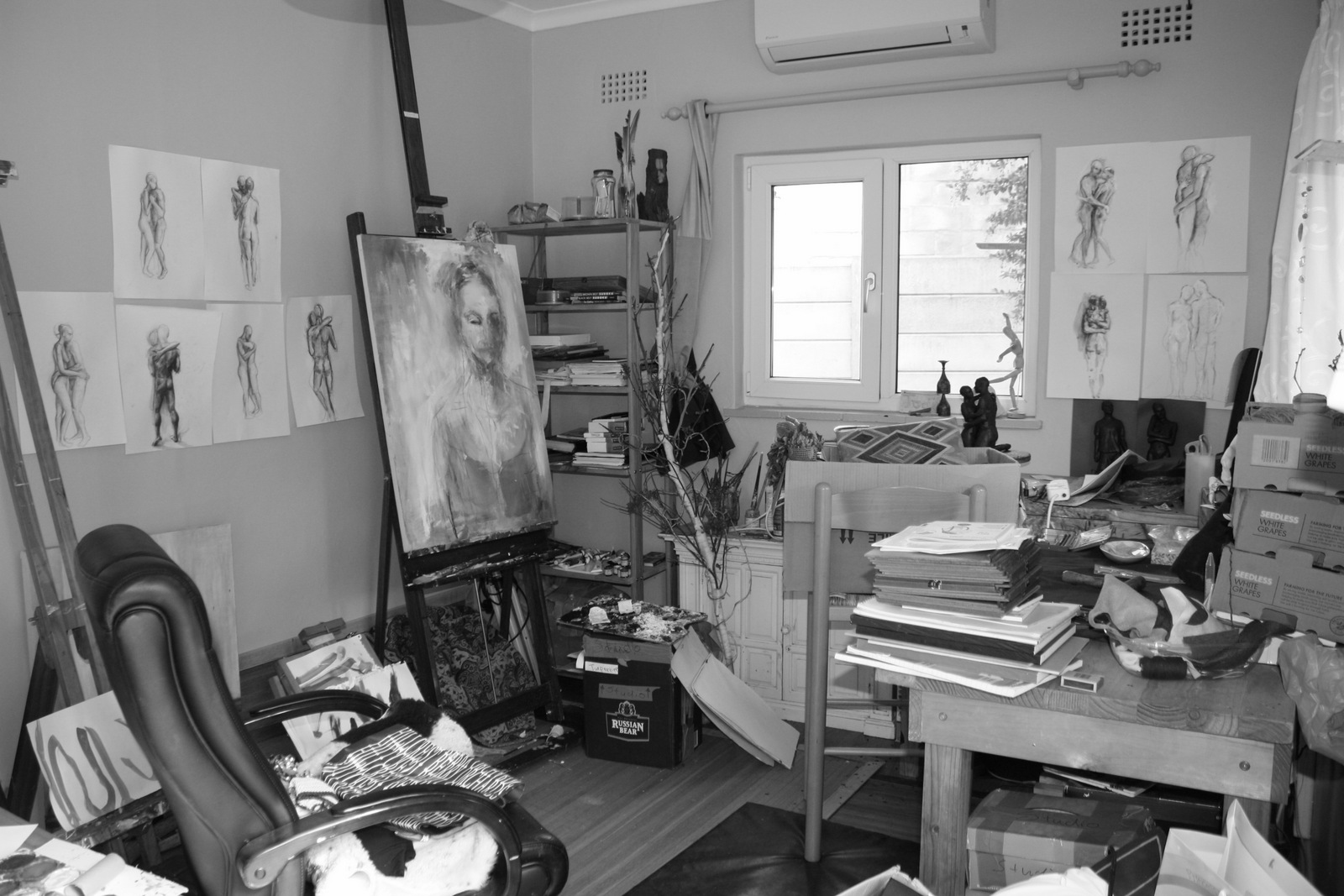
The creative clutter has taken over

This has been a slight conundrum: How can one marry the philosophy of Minimalism with the chaos (and heaps of junk) that have always, for me, defined what a creative space is and what an artist needs? Isn’t this creative freedom?

Recently, however, being influenced by my mindfulness practice and even my daughter’s Montessori education, this dilemma seems like less of a problem. Things are not as they seem.  In fact, we may have been tricked or confused by society into thinking that artists are certain types of bohemian, care-free, muddled, cluttered people.  Yet, this may not be true. Or at least not the whole story. (How could you be care-free when you are weighed down?)

The Montessori method of education teaches children to work on one thing at a time. It teaches them to focus and to finish problems and then move on. There is structure. A lot of structure, yet, this structure is precisely what gives them freedom. They choose freely what they want to work on, yet they are encouraged to stay focussed without interruption. They work within a prepared environment. Everything has its place. You work on a project and put it away before starting the next one. It is a fascinating way of viewing education and life. Our little three year old is thriving.

In other words: it encourages Mihaly Csikszentmihalyi‘s concept of FlowThis is definitely something I experience when creating artworks or dolls or any kind of handwork. Everybody experiences this state of being completely focussed, alert, motivated and losing one’s sense of self and time in a task or experience. This could be anything from a sport to reading or solving mathematical equations.

What Mindfulness and the Montessori method have taught me (unlike all the years of ‘traditional schooling’) is how to focus and create a mindset and space which encourages flow. When you have a clear, structured space and mindset that sense of freedom and creativity are easier to achieve. A fascinating read is Daily Rituals: How Artists Work written by Mason Currey. This book was such an eye opener to me. Most creative people do have structure in their daily lives. They thrive on it.

What Minimalism is starting to create for me is a space to be more creative in. A space that is clearer. Not one with the blank canvas/ blank page effect but one in which I have exactly what I need to do the task at hand. No clutter. Just enough. I have found that when I limit my palette I am much more engaged. Suddenly you have to be much more creative because you need to use what you have in new and interesting ways. So: All the ‘just incase’ or ‘this could become a…’ objects need to be removed from my space.

I have to be honest here: I have not started working on my studio yet. It has taken me some time to come to this realisation. I have been afraid of it. But I have started sorting through my crafting things. The upcycling and repurposing movement is very inspirational. I plan to only use what I have to create my dolls. Until I run out of essentials. Anything I do not use needs to move on and everything else needs to be used up. Sometimes you need a box before you can think out of it.

Another aspect to this is that I feel guilty because some potential projects are never touched and I keep moving with boxes of junk that could become works of art. This is also a way of purging that heavy guilt. Work on one thing at a time, no guilt involved.

So this coming week will mean starting a very big mission of minimising and simplifying my creative spaces, preparing my environment and hopefully freeing myself.  Let’s see how it goes 😉

|My art is here: StateoftheART Gallery  and here: Jodi Hugo. Fine Art – for those interested|

Aesthetics and Minimalism

Aesthetics and Minimalism

natural

At first glance the word Minimalism might conjure up an image of vacant, sterile environments – those living spaces where you feel so uncomfortable because everything around you is so perfect and sitting on the clean white couch might wrinkle the impeccably placed scatter cushion. This was the association I used to have with the term. Minimalism meant straight lines, cold, clean, untouched, futuristic and white. Although this may be what some people love and what speaks to them, it put me off. And then I started looking a little closer.

This is not what it needs to mean. For every person their minimalist life will probably be completely unique form anybody else’s. It breaks down life to the essentials. This means that you need to really resonate with the objects around you to incorporate them into your life. The space around you can thus say more about you because the objects in it have been chosen for specific reasons.

Wabi-sabi | another view of Minimalism

Wabi-sabi is the Japanese aesthetic philosophy of finding beauty in imperfection, impermanence, and incompleteness. Nothing is finished, nothing is perfect and nothing is permanent. This is a very different view from the Western perspective of idealistic beauty.

Wabi-sabi is a perspective that is completely compatible with a minimalist view of the world. It is about being mindful about the beauty around you and finding the value in that which is temporary and unique. Even finding the beauty in yourself and your ’flaws’. This is how I wish to view everything around me in future.

This includes no more junk and no more dissonance. Life and the objects in it are temporary and if an item does not serve you, it may serve someone else. Surround yourself with that which brings you closer to yourself, your community and your environment.

Things don’t have to be stark and sterile. Your space can be warm, organic and natural. The key is simplicity and not stripping your life of meaning. Simplify and you open yourself up to noticing and valuing that which is truly meaningful to you and allowing that in as long as it serves you. If it does not do that anymore, let it go. It could add value to someone else’s life.

It is the difference between tending a garden and controlling it. Minimalism can bring you closer to the earth, it can make you tread lighter.

I love this thought. This is what we are striving for.