The loss of self – finding it – then letting it go

The loss of self – finding it – then letting it go

How mindfulness has helped me cope with anxiety

Do you have a constant inner voice narrating your every move and second guessing you at every turn? 

 I certainly do. 

In fact: this voice may actually be a whole panel in a sort of discussion about every choice you make no matter how banal. Is this inner narration “you”? 

This inner voice is what often gets in the way of happiness. It constantly worries about the future or regrets the past. We spend very little time in the present moment. Our minds are mostly fantasising, planning, stressing or worrying. This could mean a route to distraction, dissatisfaction, unhappiness and, in its worst form, suffering.

Mindfulness is a method to train the mind to be present. It is a practice which helps to calm the inner chatter. It can help you feel connected to yourself, other people and your environment.

This post is about how I discovered Mindfulness meditation and how it helped me deal with depression and anxiety. 


I needed to write this because I know that life can be dark and I know that there are ways to find light. I have found some wonderful support in reading people’s blog posts. It is important to have a community – no matter how remote- and to know that you are not alone.

meditate

Losing the self

When my daughter was born I had immense difficulty in separating the concept of having been pregnant and the reality of now having a baby outside of me. It simultaneously felt lonely and strangling. This being needed everything from me. There was overwhelming love for her and so much fear of this new responsibility. 

The difficulty came in understanding where she started and I ended. Every sound she made drove me to react anxiously. I didn’t sleep, not because she was a bad sleeper, but because of a fear that I would not be present if she needed me. I lay awake whole nights. Was she breathing? Yes. Next breath. Yes. Next breath. Yes. Every one until I was released by daybreak. Then I would switch to zombie mode for the day fearing the moment the sun would set and my mind would take over again and relentlessly refuse me any peace. 

I forgot my own needs. Sleeping and eating became something my husband had to remind me to do. And with this came a loss of sense of self and purpose. 

I suppose this is what is called postpartum depression. I was breastfeeding and thus refused to take medications that might harm my baby. I had taken antidepressants some years before which did help me. This is not criticism of the idea of medication, or the use of it. I just really needed to be able to breastfeed and not fail at this too.

I remember feeling that I was missing everything. I was missing my daughter’s development. I was missing out on life. I was missing. Where was I? 

And everybody else seemed oblivious. Other people with children seemed like they could cope just fine. Why was I so weak?

There was no ’me’ anymore- just a void. Was this what life would be from now on? 

The problem with this way of thinking is that the focus and obsession is very much on protecting the self whilst constantly trying to locate this self.  The sense of self is easily lost in circumstances, like becoming a new parent, where roles and identities have shifted. Especially when all one’s focus is on trying to keep someone else alive and happy. 

Empathy seemed to overwhelm me so easily. I have always found it difficult to bear other people’s problems. I always want to help, yet other people’s difficulties weigh on me so heavily that I become obsessed by them and feel like I am being dragged down and swallowed whole. I take on the stress and pain. So I attempted to stay away from everyone besides my child and husband. Other people seemed to make me feel smaller and more useless. They seemed to completely drain me. Even less of me left. I became very isolated.

Every time my child cried I would become confused and sad: taking on her emotions until I had relieved the issue. If she had been hungry and then fed I would feel satisfied and fed – even if I hadn’t had any food all day. Then she would cry about something else and the panic would spread through my whole body until I had changed her nappy – relief. Where was I?

Anybody else who expected something of or from me or needed me in any way became a huge burden. I was not coping. 

Coping

My husband, who is a very rational en calm person, took me to see a psychologist. This helped immensely. Her advice and care was priceless. She gave me some guidelines to follow. These were difficult for me at the time but I followed them:

My daughter was moved to her own bed in her own room.

No baby monitor.

I wore earplugs.

My husband took responsibility for my daughter during the night.

This had an enormous impact on my mental wellbeing. Suddenly I was forced to give over responsibility and I could feel the relief. It was important to sleep. And the psychologist kept reminding me that my daughter needed me to be sane more than she needed me to be hyper vigilant. She was fine. I wasn’t.

It seemed to take forever but eventually I was sleeping some hours at night. This made an incredible difference. 

Unfortunately seeing a psychologist was not a financially sustainable route. And I still found myself dwelling on my weakness more and more. My anxiety has always been out of control but now it was taking over. How would my daughter become a strong independent woman if her mother was this ‘pathetic’?

Needless to say, I had to break free from this mental trap. If not for mine, then for my daughter’s sake. 

Finding the self

Out of sheer desperation I wondered whether a self-help strategy could work? After all: we have so much information at our fingertips.  I would not, however, try things that had no scientific basis. So I started investigating Positive Psychology. This opened up some new insights into my state of mind. Somehow I would have to change my cognitive default setting. Slowly I started working on viewing things differently and on being who I wanted to be. 

My daughter had to see that it is possible to follow one’s dreams and that this meant working at it no matter the obstacles.

My obstacle was (and still is) my critical inner monologue. I realised that I never judge other people as negatively as I would myself -in fact – I hardly ever judge others at all. It would completely stifle my work. When painting, to shut my inner voice up, I then started listening to lectures on interesting topics. This would keep my mind occupied. Suddenly I could work again.

My parents started babysitting my daughter two days a week. So I was relying on ’my community’ for the first time and not trying to do it all alone. Suddenly I had some space and time. Audiobooks and lectures occupied my mind and I worked. Things were looking up. But I was still petrified of my inner critic.

Being a failure in my daughter’s eyes was unacceptable. 

This drove me to keep trying and seeking and reading. I read and listened obsessively. 

Gratitude

The first thing I tried was a gratitude journal. This is an amazing way of forcing yourself to focus (however briefly) on the good things in your life (however small). I became more and more grateful and noticed things outside myself. I was so grateful to my husband, my child, my parents. And this mindset has grown ever since. 

Letting go of self

One of the topics that kept coming up in my research on happiness was Mindfulness. I started listening to this course: 

Practicing Mindfulness: An Introduction to Meditation

The research on meditation gripped me. Here was something that could be practiced in a secular way and seemed to be able to satisfy a spiritual need I had always had. It also had very strong scientific support in helping people cope with all manner of mental states. Could I do this? 

I started by doing 3-5 minutes of guided mindfulness meditation practice every evening after my daughter had gone to bed.

Meditation was not what I had thought it was. It started off being something that was very difficult and frustrating. After a month or so it became very calming. Later I managed to glimpse moments where my mind would settle somewhat. My thoughts became thoughts; nothing more. I even started feeling empathy for the parts of me that were being so critical. This was the key.  More and more reading about mindfulness ensued.

Slowly I built up to doing more minutes per sitting. Giving my mind some quiet focus.

Here are the thoughts, the emotions, the breath. And this is ok. No fighting or fear of their presence. Just acceptance. Then judgement would arise. Then accepting this too. It was so simple: these were just thoughts. This was not the self. The obsession I had had with trying to find this coherent ‘self’ was starting to fade. And that even this was ok. This mind was just doing what this mind would do in this situation and I could observe this.

This is not a claim of any kind of enlightenment. In fact keeping focus for more than a few seconds still does not happen and that is fine too. This is only a realisation that feeling pain did not mean I had to suffer. It is okay and it is temporary like everything in life.

Now I have tools. If the voice criticising voice appears – she often does- I try to notice it and let it go by focussing on what is happening now. Sometimes it takes a while to realise that you are caught up in mindless thinking. This is also ok. Every time I do notice it I realise that it is a step in the right direction. Nothing has to be perfect and stumbling is learning. 

My mind is still an anxious and highly sensitive one. But now, a year and a half later, I know that this is just the way it functions and that in turn calms me sooner. It helps to stop the downward spiral. I do 25-30 mins of mindfulness meditation a day. 

Work is easier now. I still listen to audiobooks very often but I don’t need this constant distraction anymore. I just try to stay mindful if the self-criticism creeps up. 

Community

Mindfulness meditation and especially Loving Kindness meditation (Metta Meditation) increases empathy. This was a scary thought: empathy seemed to be my downfall before. Yet with mindfulness  you can be mindful when dealing with other people’s emotions. They are just what they are. They are not you and feeling them is fine. This is an incredible skill to learn. Empathy and compassion grow, yet your ability to see things in perspective does too. I can be mindful of other people’s feelings without becoming overwhelmed (most of the time) and now there is more of me to give because I am letting go.

Family and friends are so important. It really does take a village to raise a child. It is difficult to hand over the steering sometimes but we need to let others in and let the illusive ’I’ go. It is a work in progress.

We cannot function alone. We need other people no matter how introverted we may be. Especially when we are going through a difficult time.

There are some amazing people in my life. 

My husband. I honestly do not know how to express my gratitude, admiration and love for him.

My parents who support me in every way. They are incredible grandparents. So too are my husband’s parents.

My sister. ❤

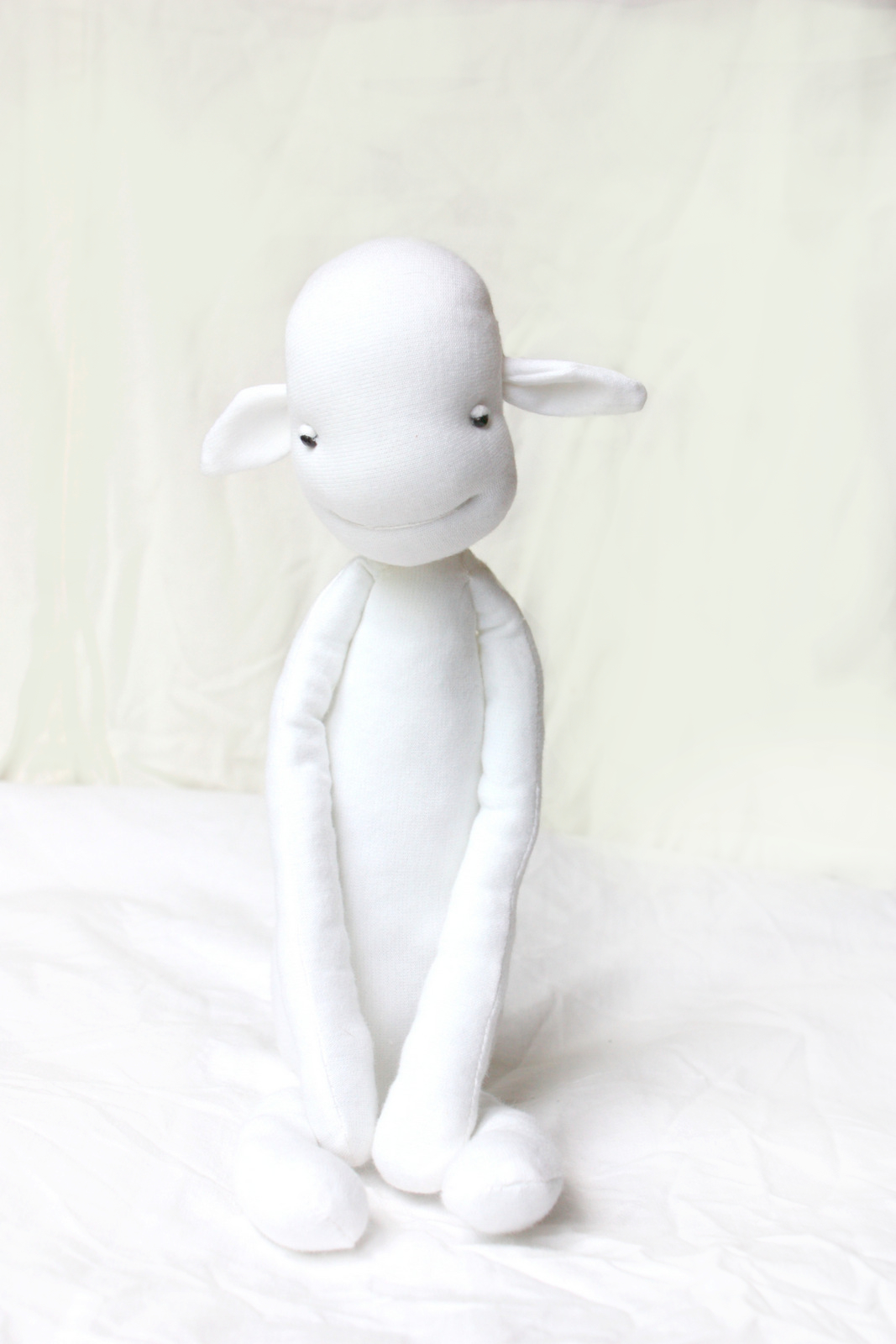
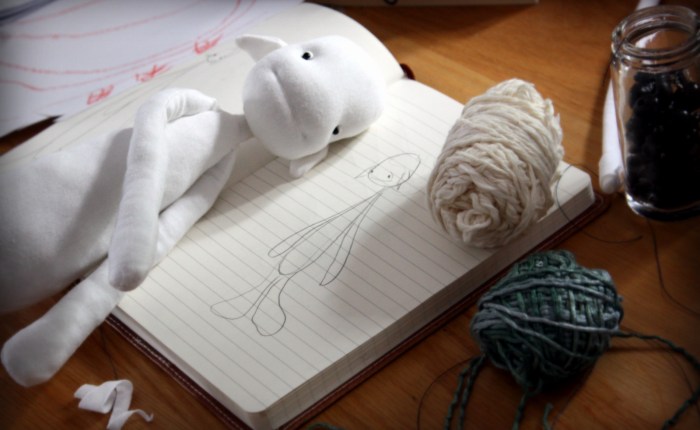
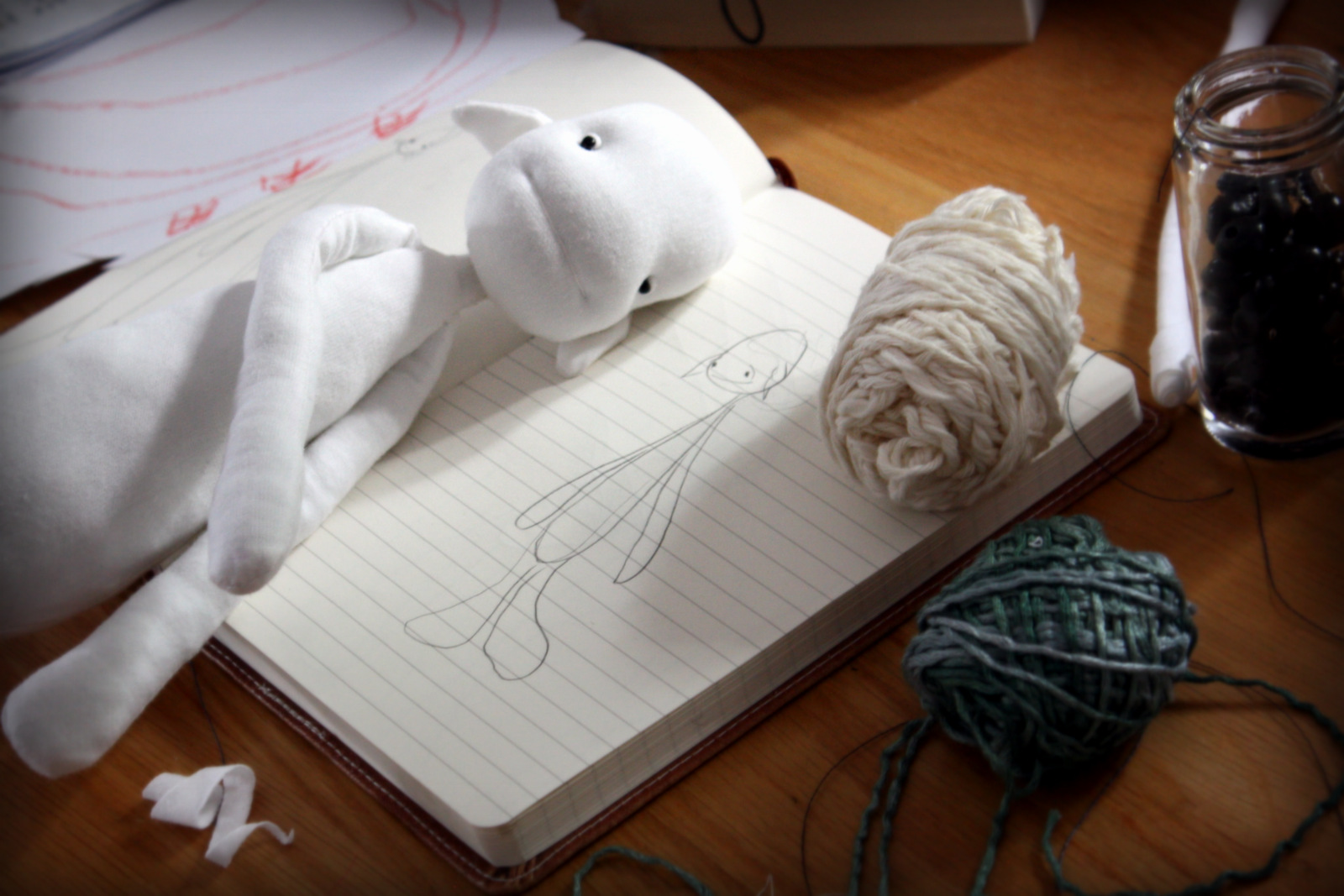
I have friends who have supported, inspired and helped me to start pursuing new avenues in my life – Like this blog (another community) and my doll making business. 

I have reconnected with the important friends in my life. 

Now I spend one day a week crafting, chatting and laughing with my dearest friend and her adorable new baby boy. 

…and my daughter is thriving. She is my light and inspiration.
Mermaid Brooch Fun

Mermaid Brooch Fun

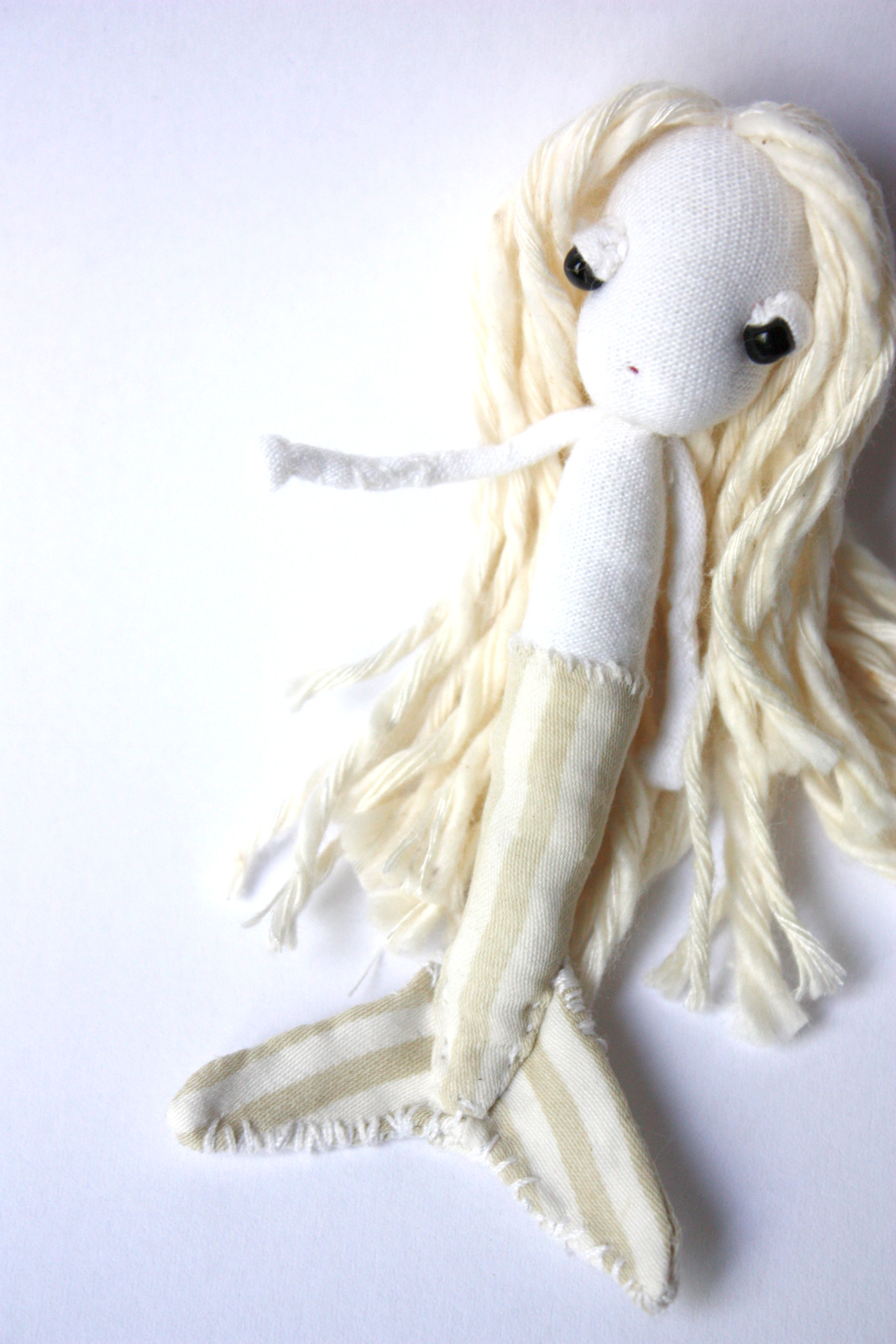
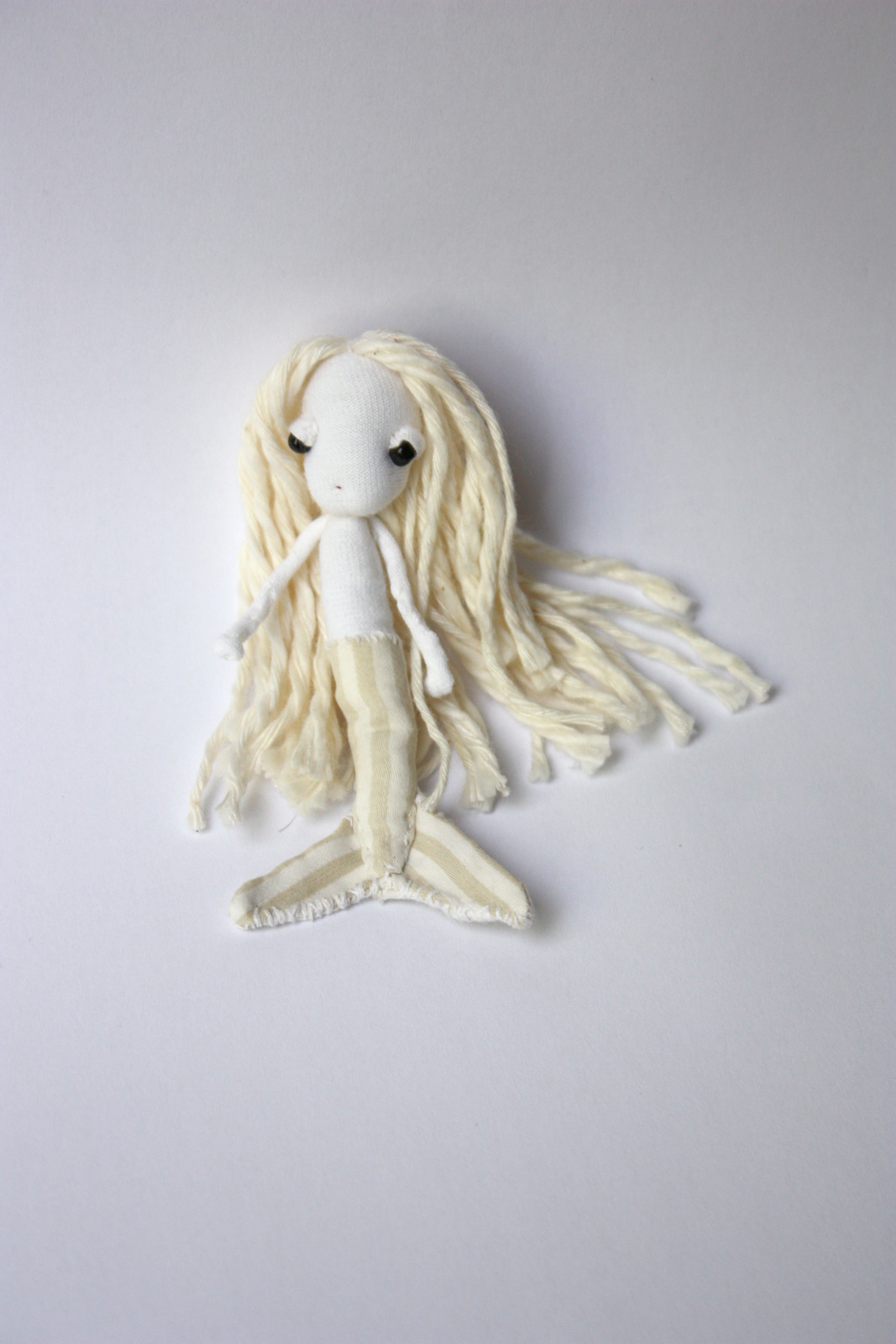
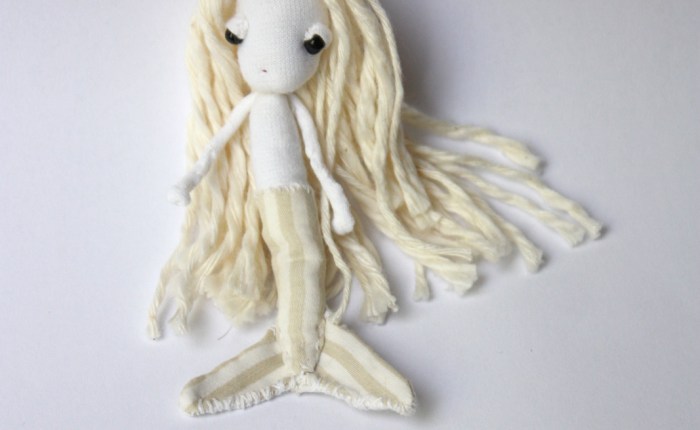
It is so much fun to make these little characters. Here is another new ‘pocket mermaid brooch’ creation. Her tail is made from (a tiny bit of) repurposed cotton sheeting. Her body is made of soft cotton. Her hair is bamboo and organic cotton yarn. I quite like the neutral and natural colours!

What do you think?

Mermaid doll brooch

Mermaid doll brooch
completely hand stitched
mermaid brooch
unique and sweet

If you are interested: please visit my Etsy shop for more dolls 🙂

One Lovely Blog Award

One Lovely Blog Award

lovely-blog1

Thanks so much to Angie for the nomination for the One Lovely Blog Award! Here is Angie’s wonderful blog: Angie Does Until She Doesn’t.

I accept the award and would love to participate.

The One Lovely Blog Award nominations are chosen by fellow bloggers for those newer and up-and-coming bloggers. The goal is to help give recognition and also to help the new blogger to reach more viewers. It also recognizes blogs that are considered to be “lovely” by the fellow bloggers who choose them. This award recognizes bloggers who share their story or thoughts in a beautiful manner to connect with viewers and followers. In order to “accept” the award the nominated blogger must follow several guidelines:

  • Thank the person who nominated you for the award.
  • Add the One Lovely Blog logo to your post.
  • Share 7 facts/or things about yourself
  • Nominate 15 bloggers you admire and inform the nominees by commenting on their blog:

Seven Things About Jodi:

  1. I could live on tea, dark chocolate and mangoes (in that order!)
  2. I am learning Spanish because it sounds sexy
  3. I own my dream car: an old 1969 mini
  4. I am an introvert who is always daydreaming
  5. Chameleons are my favourite wild animals. (my dog is my side-kick so she is my favourite of all)
  6. Music makes me dance – I have very little say in the matter
  7. One day I want to sail the seven seas with my family… although my husband would probably prefer we stay in the harbour 🙂

I nominate the following fifteen blogs for the One Lovely Blog Award

1. littleashcloud.wordpress.com

2. katcarpita.wordpress.com

3. dreamerrambling.wordpress.com

4. bluchickenninja.com

5. myslowlivingadventure.wordpress.com

6. decrapitation.wordpress.com

7. boolahbaguette.wordpress.com

8. allthreeofus.com

9. minimalismandfamily.wordpress.com

10. insearchoftheburrow.wordpress.com

11. beastlyworlds.wordpress.com

12.  jobbiewater.wordpress.com

13. hiddenpassions.wordpress.com

14. knittedart.wordpress.com

15. magdafouphotography.wordpress.com

| Minimalism | how our journey is progressing and what now?

Things seem to have started slowing down a little after our initial feverish and frenzied start a few weeks ago. But we are still going strong. One step at a time.
Mastering our money matters:
We hope to have our car sold this week. This will be the biggest relief financially as well as mentally. We will be spending much less per month on payments and fuel.  As a bonus our carbon footprint will be much lighter too.
We have also sold things like a guitar and keyboard and some other smaller items. These have brought in a bit of cash and we have paid it into our debt.
The biggest change we have made so far is that we are not purchasing new things – except for food and amenities. We have also been using cash to do our shopping. This means having an exact grasp of how much money you have and what things cost. Surprisingly this has not necessarily meant that we shop for the cheapest items . It is entirely possible to do shopping with very limited cash and still balance quantity and quality. It means getting only the essentials. So often that would still be quality items. So we still buy fresh produce for instance but we are limiting the waste. (Nothing that will go off in the time it would take us to consume it.)
This has meant steering clear of buy in bulk bargains and three for two deals (unless it is storage-friendly). Often these deals only mean you are paying more money because you end up throwing so much away. Sometimes buying the smaller amount of carrots for more money per item is the better deal.
You also find yourself being more creative with what is already in your food cupboards. You end up finally using those dried beans, quinoa or risotto rice hiding in the dark corners behind the cereal.
Decluttering strategies for difficult items: 
Decluttering has brought on a few bumps in the road. This week I found myself needing and looking for things… then realising I had thrown them out a couple of weeks ago (in the frenzy phase).
I have had a very strict ongoing ’keep it or toss it’ policy. Very black and white. But I realise that this has been a bit hasty and harsh.
Yesterday one of my friends suggested to me  that I make three piles instead of two.
* a definite keep pile
* a ’not sure’ pile
* a definitely throw out (or gift, donate or sell) pile
She explained that she does this regularly (every few weeks) and if she has not decided by the next decluttering what to do with items in the ‘not sure’ pile she throws them out.
This seems obvious and much saner than my attempt.
Originally I didn’t want to even give myself a ‘not sure’ or ‘maybe’ option for fear that this would allow me to re-establish my misguided relationship with the objects. But this was not the kindest way of dealing with myself. So I am now going to apply this new strategy from now on and will report back on its efficacy.
I also love jasminkrat’s post IS IT WORTH KEEPING? She has a very effective list of questions to ask oneself when deciding about difficult items and it may makethe choice between keeping something or not a much easier one. I will be incorporating these questions to help me along too.
to keep or not to keep...
to keep or not to keep…
Minimalism is an incredible journey so far. It is amazing how little we know about the items we surround ourselves with. We seem to misinterpret our relationships to and with them. What a hold they seem to have on us and yet it is all projected onto them by us. This journey is teaching me so much and promises to continue doing so.

Navigating Your Personality

Navigating Your Personality
Are personality tests limiting or freeing?

Finding out your ’type’

One of the most valuable and life altering things I ever did was my first personality test. It was done by a psychologist about 10 years ago. The Myers Briggs Type Indicator. I tested as an INFP. It was such a relief to see that I was not crazy. I was behaving exactly like my ‘type’ would. It explained why I couldn’t handle certain things the same way others did.
Is this really me?
I took another Meyers Briggs test (via a psychologist friend) about 5 years later and, at that point it was to ‘my horror’, I received the same result: INFP. This meant, to my naïve mind, that I had been working SO hard at ’bettering’ my(weak)self for 5 years with no result! How could this be? Then I did another and another and another online – always a different one – and got. Yes. The same result. I felt so boxed in. Is this me?
The relief I had initially felt, after the first test result, had now evaporated. Originally this result was something I thought I could change. I knew who I was and what the problems were and I would fix them.
Luckily my husband has an amazing way of clearing things up for me (INTP) and he explained and reminded me that it was not ‘me’, these results reflected my ‘preferences’.
Although the MBTI is probably not the most scientific of tests in many ways: it does give you a view into your or someone else’s preferences. It provided incredible insight for me at a time when I really needed it. It shows (granted it is broad) how and why you might react in certain situations in certain ways. So it can be an amazing relief to understand this.
Still. Would I always end up in the same spiral?
It was also around that time that I became familiar with Positive Psychology and Martin Seligman‘s work. I read his book Authentic Happiness. This changed my life. I joined the website and did the tests. Specifically the VIA Survey of Character Strengths
test. I learned that it is much more productive to focus on your strengths and that everybody has them. This way you don’t end up dwelling and getting too caught up in your perceived weaknesses and trying to ‘fix’ them. Personality is not fixable. But you can evolve it and develop it and in this way it can change.
Mindset
More recently I read Carol Dweck’s book Mindset. The book focusses on her discovery of and research into two mindsets that people have and how this can influences their lives. According to her, there are people with ‘fixed mindsets’ and people with ’growth mindsets’.
Research shows that those with growth mindsets don’t give up as easily, they work until the problem is solved and they believe in change and growth. The science backs them up. The brain can change and grow at any age. You can change. Maybe not fundamentally alter your personality but you can learn new skills and develop your strengths.
This topic will come up again in future posts.
Here is the short and sweet test on the Mindset site.
Why Mindfulness?
Mindfulness would be beneficial for any person or personality type. Although some may find it more challenging than others to practice. The people who find it most challenging would possibly benefit the most.
Practicing mindfulness meditation every day, for a bit more than a year now, has been the single biggest help for me.
  • mindfulness teaches you to be in the moment – it helps ease anxiety about the future and the past.
  • it teaches you to let things be the way they are – acceptance. You are fine the way you are. You deserve love and acceptance and everything is as it is.
  • it teaches focus. One thing at a time. Cluttered minds become more settled. You do not force it yet your mind becomes clearer.
Why Minimalism?
This week I slipped into a bit of a fixed mindset. Am I a minimalist? Could an INFP possibly live without clutter (inside or out)? Is this whole experiment crazy?
Some wonderfully supportive comments on my previous post and the mindfulness practice helped me realise that this was just the way I react. This is how it is and that is ok. Then the reasons why minimalism is so important to me became clear again. I could see why someone like me would thrive as a minimalist and why I took this on in the first place.
Why minimalism is so important:
  •   Minimalism is a wonderful extension of mindfulness. I need my environment to support my inner world. Decluttering is a big part of minimalism. Shedding the excess. Yet it is not what it is truly or entirely about. It is as symbolic an exercise as it is a physical one. It brings you face to face with your own excess, your past, the things you don’t pay attention to. It has definitely meant some self confrontation (INFPs hate confrontation :p )… And I am expecting more as this journey unfolds. I just have to be careful of the over-thinking trap and getting lost in my head (INFP trap) So this is a great exercise in acceptance.
  • I feel happier in cleaner, uncluttered spaces. There is more space for my wild mind. And it also helps to calm my mind and helps me focus. Aesthetics are important to me. It is important to be in a space that is harmonious and does not disturb or disrupt your sense of well-being. Especially when it is your home.
  • Support creativity. It is also important that your workspace support maximum focus and creativity. My mind is already so busy that my environment needs to be a space I feel comfortable in, one in which I can be creative and doesn’t limit me by breaking my concentration.
  • I need to live an honest life. Live life in a ‘real’ way. No more debt. No more living above our means.
  • Freedom is so important. Freedom from the pressure of having to be like everybody else. Free from debt. Physically free. Free from guilt and the past. You can be more authentic if you strip the excess from your life.
The Big Five personality test:
For a more scientifically based test, try a Big Five Personality Dimensions test. There are many free ones online. It is a great personality test and gives amazing insight. Because you land on a grayscale it also reflects more flexibility in different people’s personalities even though there are only 5 factors.
Why I still like MBTI: 
Although it does limit people into sixteen types or ‘boxes’ it is also for this very reason that the test allows some generalizations which actually help you understand broad preferences. Within every type there is also a gray-scale. Not every factor counts for every person or every situation and some will be borderline.
And although I seem to score as an INFP every time, other people seem more flexible and score differently every time they do the test.
I like that this is possible, even though this very factor could be seen as the weakness of these tests – or any personality tests for that matter.
So it is good to keep in mind that nothing is set in stone and that we all grow, change and are unique. Yet they can be tools that give some limited insight and understanding into how we all can, and do, differ from one another.
So: keep a growth mindset about it and use these tests as a looking-glass that could help you reflect but should never hinder or limit you. 😉
| This has been a very difficult post since it is very personal in some ways.  The reason I wrote it is because I have benefited so much from other bloggers on this same minimalist journey as well as bloggers with my INFP personality type. It is important not to feel alone as much as it is to recognize our uniqueness. So here I am: Pleased to meet you 🙂 |
figuring it out
figuring it out

minimalism vs personality

a short update on our minimising efforts

The knot we are trying to untangle feels like it might be choking us. But we are getting through it. The relief will be sweet (that’s the promise, anyway).

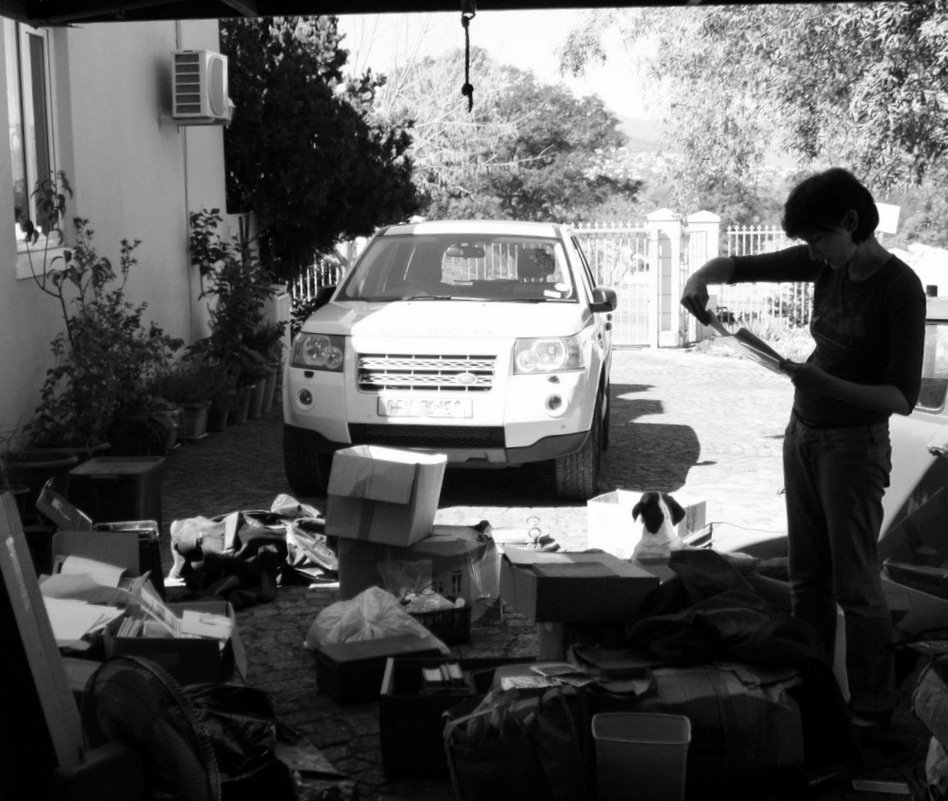
This week I worked on cleaning my studio. It ended up being more of an organising mission than a getting-rid-of one (although there were quite a few boxes and bags of junk that left the space). This was a tough one to get started and is even tougher to continue and progress with. Yet, it is happening, slowly.

This is starting to feel like a big struggle against my personality. Hopefully this is not going to leave me feeling empty and as though I have rationalised meaningful things out of my life. Hopefully I won’t miss the memory triggers like the smell of some of the items that evoke strong memories and emotions. Hopefully this will help get my family out of our debt and won’t be a very high price for no reward.

The perfectionist in me wants to get all this ‘right’ and seems a bit disappointed at the slow progress. The sentimentalist and meaning maker is finding it hard not to just bury herself in it all and hide. Then there is a very strong need for freedom that keeps pushing and searching for an escape.

I think I should leave it there. I need to reflect on all of this. This experiment is a tough one. But that might be a very good thing.

So let’s keep going and see where it leads.

Polar Pixie Brooch

Polar Pixie Brooch

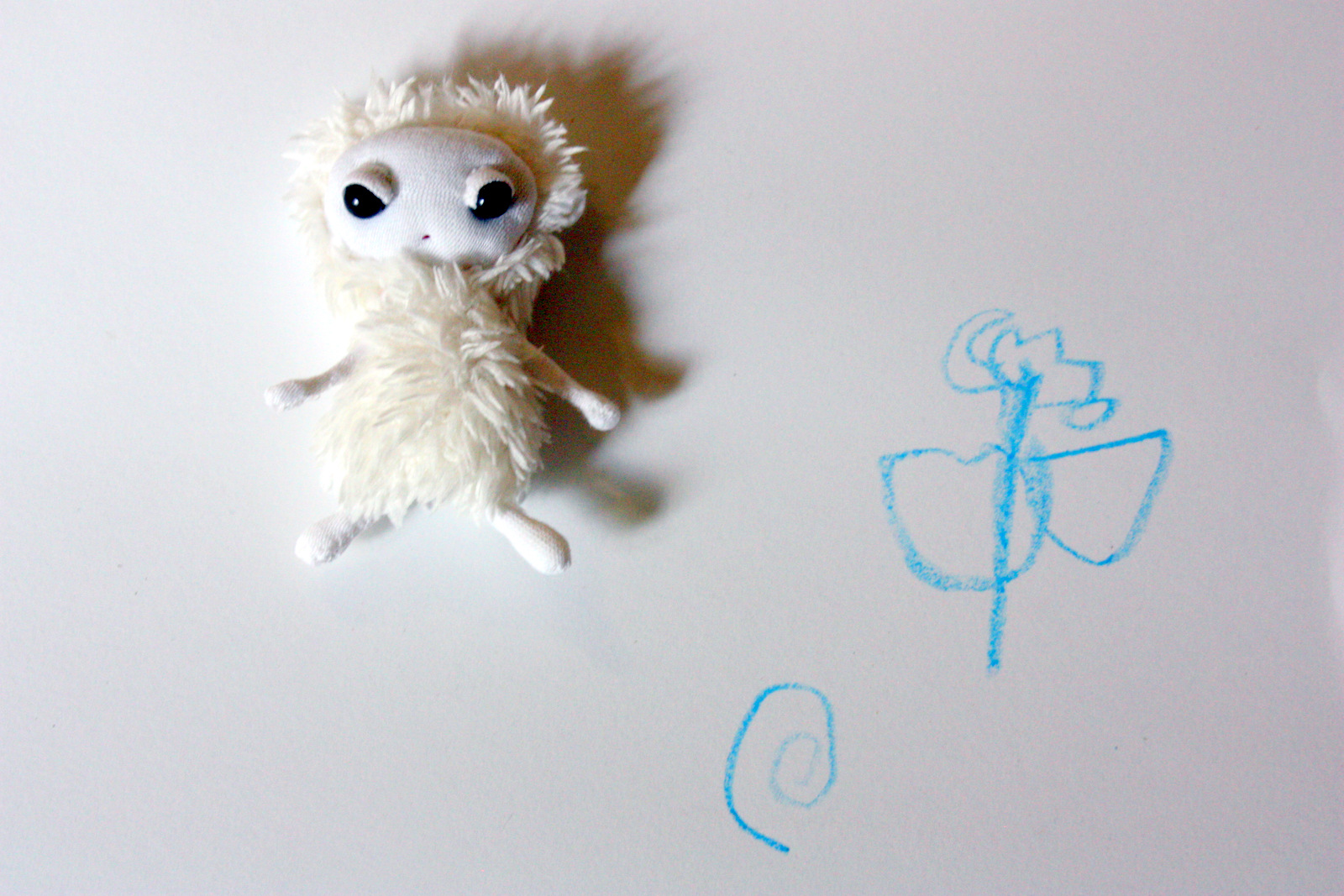
I just couldn’t resist and made this little guy today. This pixie is made from a tiny bit of an old ‘polarbear’ babygrow. So a bit of repurposing. And it is only 6cm tall. 🙂

Cute little Polar Pixie with my daughter's flower drawing.
Cute little Polar Pixie with my daughter’s flower drawing.
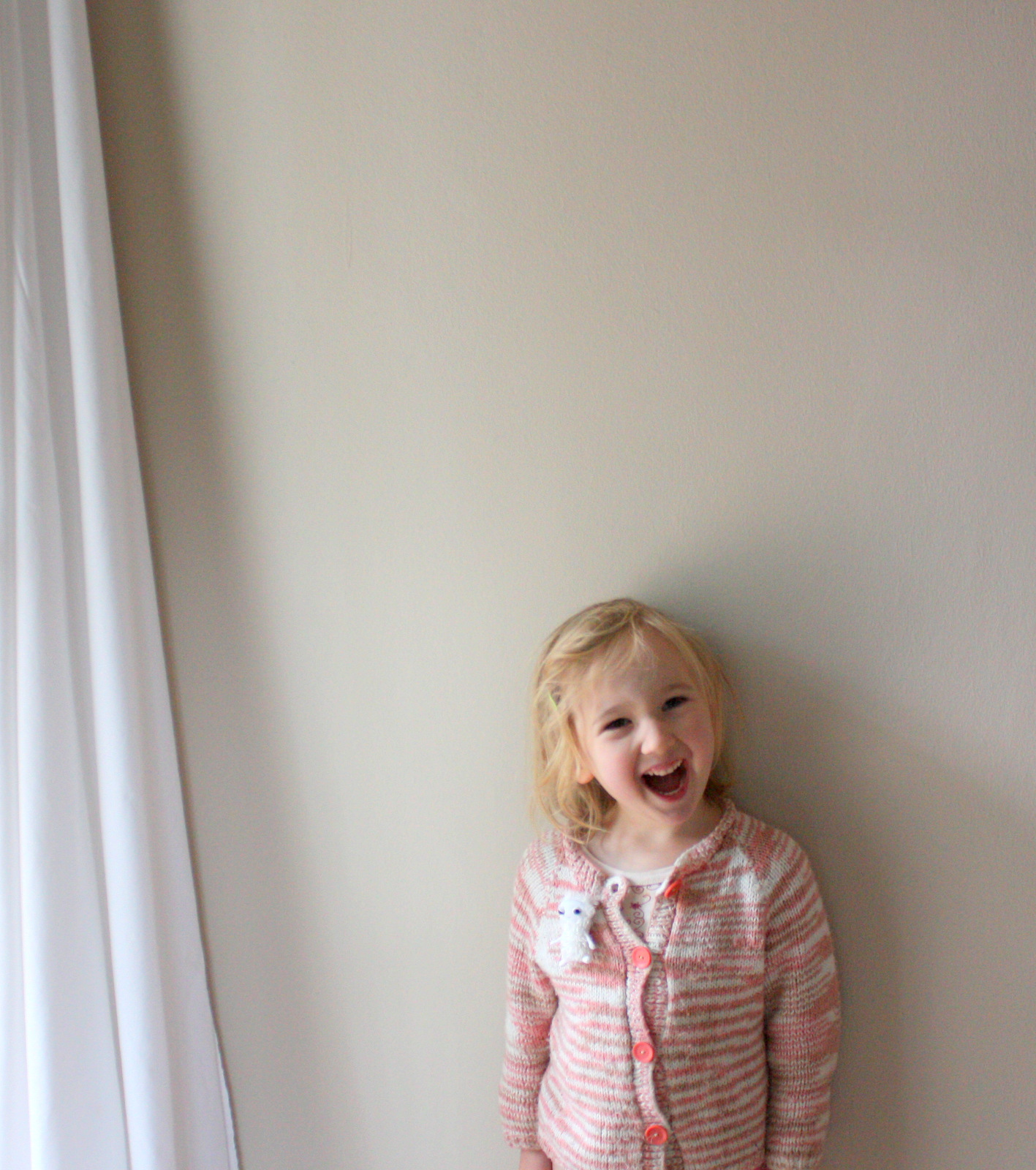
"He's so fluffy!"
“He’s so fluffy!”

Also featured in my Etsy store.